My son was thirty-three when the doctors stopped speaking in hopeful maybes and began speaking in quiet certainty.
At first, we told ourselves it was nothing serious. Just exhaustion. Stress. Something that would pass with rest.
There were scattered symptoms at the beginning—strange pains, unexplained fatigue, appointments that led to more appointments. Each visit ended with another test, another wait, another fragile thread of hope.
Then one afternoon we sat in a sterile hospital room that smelled faintly of disinfectant and fear.
The specialist folded his hands and spoke in a voice far too gentle for the words he was delivering.
That was the moment everything changed.
From that day forward, time behaved strangely. Weeks rushed past in a blur, yet every single hour felt unbearably long.
His wife stood at the foot of the hospital bed when we received the diagnosis.
She didn’t cry.
She didn’t ask questions.
She didn’t move closer when the machines began their soft, steady rhythm.
Instead, she crossed her arms and said words that still echo in my ears.
“I’m not going to waste my life watching him turn into a vegetable.”
Then she walked out.
No tears.
No goodbye.
Not even a backward glance.
Within weeks, I sold my house.
The home where I had raised him. The kitchen walls that had heard his childhood laughter. The living room that had held birthday parties, scraped knees, and Christmas mornings.
I let it all go without hesitation.
Money stopped being something to save for the future.
It became fuel—something to burn if it meant another treatment, another specialist, another small chance to ease his pain.
I paid for what insurance refused.
I learned how to puree food until it was soft enough for him to swallow. I learned how to lift him carefully so he wouldn’t feel pain. I learned how to bathe him with dignity when his body could no longer obey him.
Night after night, I slept upright in a chair beside his bed.
When the pain kept him awake, I held his hand and told him stories.
Stories about the first time he rode a bicycle.
About the way he used to insist on keeping the hallway light on when he was little.
About the time he tried to hide a stray puppy in his closet.
I reminded him again and again that he was loved.
That he was not alone.
And in truth, I was the only one there.
When the end finally came, it was gentle.
He squeezed my fingers weakly.
His lips formed the smallest smile.
With the last strength he had, he whispered two words.
“Thank you.”
Not bitterness.
Not anger.
Just gratitude.
After the funeral, his wife returned.
Calm. Composed. Already speaking in the language of paperwork and ownership.
Legally, everything favored her.
The marital home.
The shared bank accounts.
The car.
Documents were signed. Keys were exchanged.
Then she turned to me and said calmly, “You’ll need to move out by the end of the week.”
There was no apology in her voice.
No acknowledgment of the months I had spent caring for the man she had abandoned.
So I packed quietly.
I folded his shirts slowly, pressing them against my face one last time. His scent still lingered faintly in the fabric.
When I knelt to pull his favorite blanket from beneath the bed, my hand brushed against something unexpected.
A small shoebox pushed far into the corner.
I almost ignored it.
Inside were documents that made my vision blur.
A house.
Fully paid off.
In another state.
In my son’s name.
Not the house his wife now claimed.
This was different—a property he had purchased years before his marriage.
I had never known about it.
There was more inside the box.
A copy of his will.
The contact information for his lawyer.
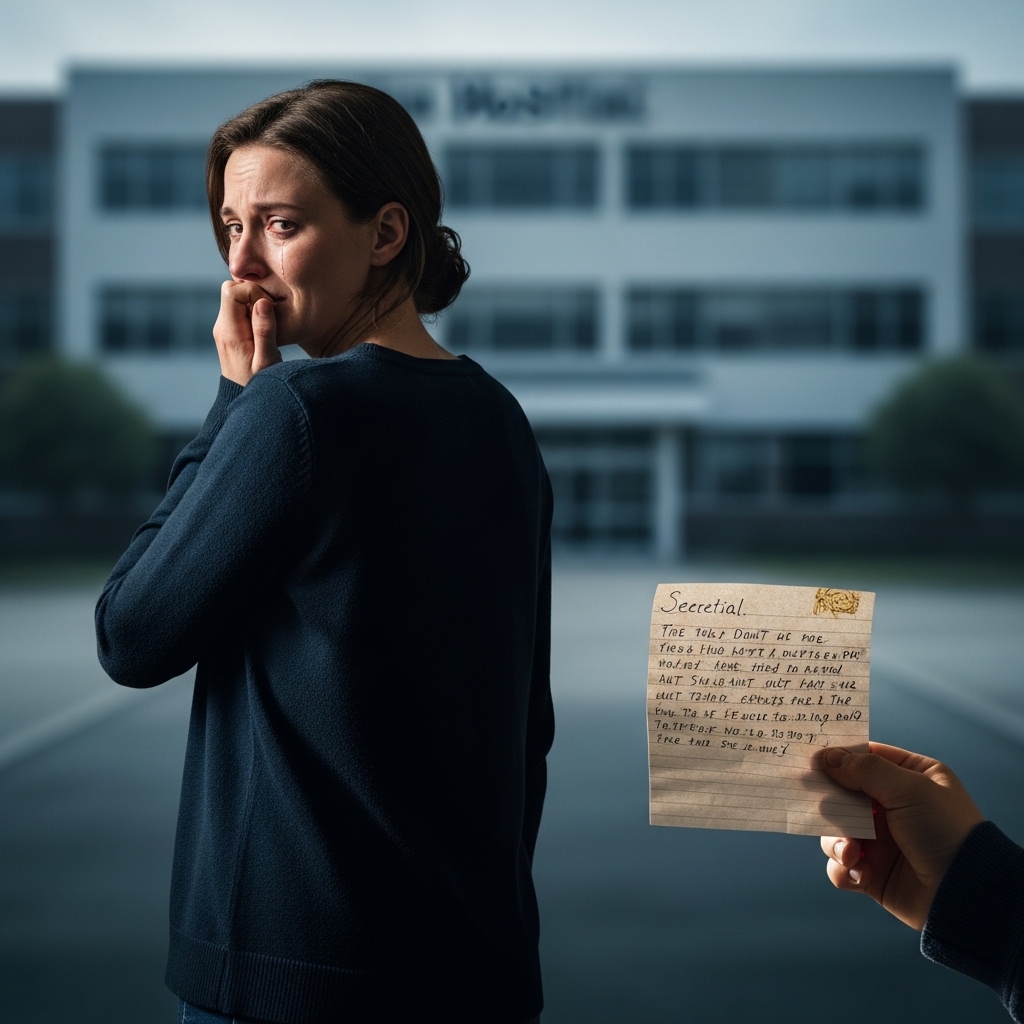
And a folded letter written in his unmistakable handwriting.
My hands trembled as I opened it.
In the letter, he told me he loved me.
He explained that he had bought that house long ago, once imagining a future filled with children running through its hallways.
Life had taken a different path.
So he made another decision.
The house he shared with his wife would go to her, even though she had never contributed financially. He didn’t want her to be left without shelter—even after she walked away.
The other house, he wrote, was meant for me.
Because he wanted me to feel safe.
He had also set aside enough money for me to live without fear.
Enough to rest.
Enough to breathe.
Enough to rebuild a life after I had given everything trying to save his.
Even in pain.
Even betrayed.
Even knowing exactly who stayed and who left—my son chose fairness.
He chose compassion over resentment.
And he thanked the one who remained.
I raised a good man.
That truth is what keeps me standing now.
I miss him every single day.
The silence he left behind can feel unbearable. Grief arrives without warning, tightening around my chest until it’s hard to breathe.
But beneath the sorrow, something steady remains.
Pride.
My son lived with empathy, kindness, and grace. And he carried those qualities with him to his final breath.
No illness could take that from him.
And no loss can take that from me.