It’s been two years since our world ended.
Two years since the silence became unbearable, since every breath felt like a betrayal of the child we lost.
Our child. Gone in an instant.
I remember the phone call. The way my hands shook. The drive to the hospital—blurred by silent screams and swallowed sobs. Then the doctor’s face. The words that weren’t really words, just a hole torn open in reality. My partner was already there, already broken. We clung to each other like wreckage in open water.
How could this be real?
The days that followed dissolved into fog. Grief isn’t a wave that comes and goes—it’s an ocean that never recedes. A crushing weight that presses down every second. We moved through life hollowed out, exchanging haunted looks, unable to say what couldn’t be fixed.
Slowly, painfully, we rebuilt something. Not a new life. Just a modified existence.
We leaned on each other. We cried until there were no tears left. We spoke our child’s name constantly, refusing to let memory fade. We cooked their favorite meals. Walked through their favorite park. We even brought home a small, fluffy pet—something living, something warm—to remind us the house wasn’t entirely empty.
My partner became my anchor. When I couldn’t get out of bed, they pulled me up. When I collapsed in public, they held me. We made promises—to live, to survive, to honor our child by finding meaning again. Our bond felt forged in fire, stronger than anything before.
We had faced the unthinkable together.
Or so I believed.
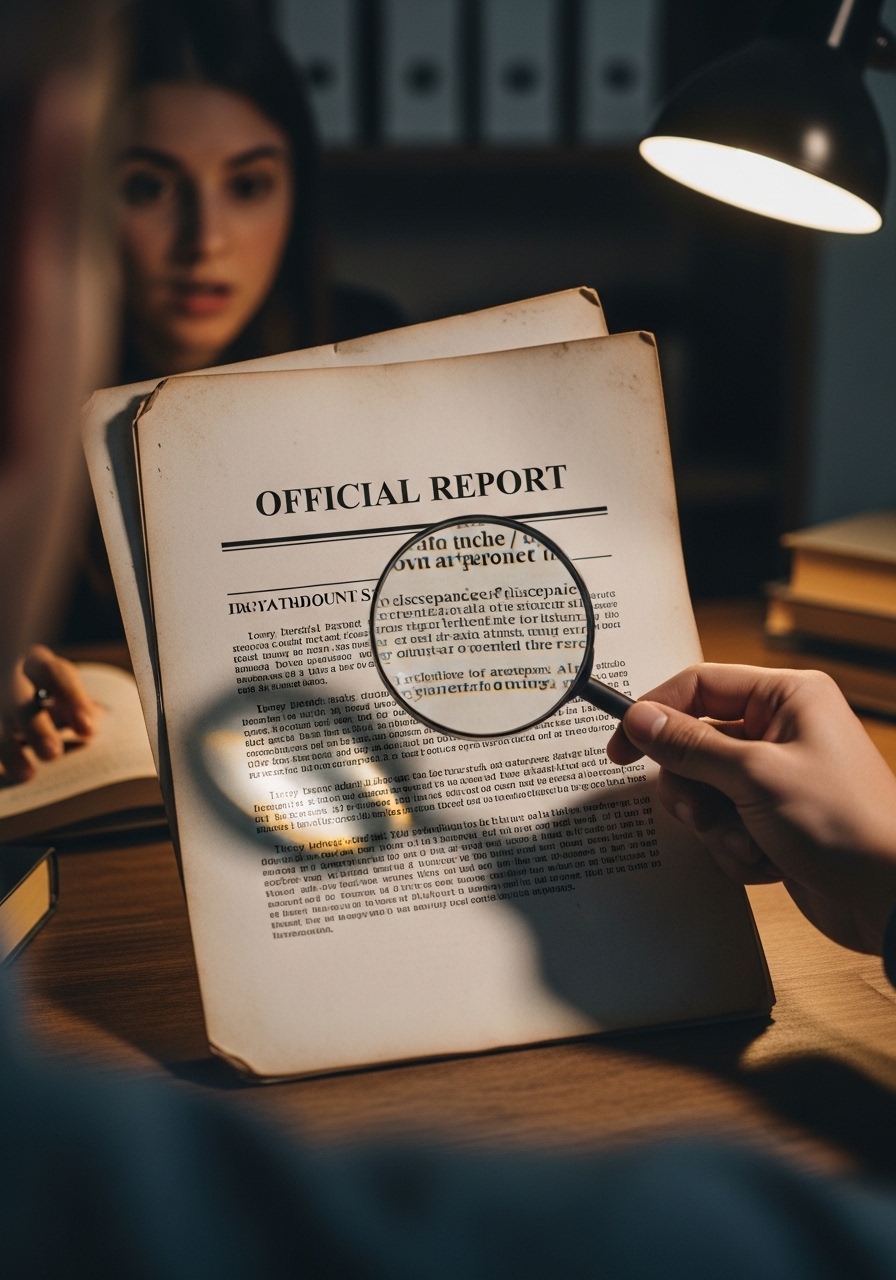
Because buried beneath everything was a small, nagging unease I couldn’t explain. The official report said it was an accident. Tragic. Unavoidable. And I accepted it—because questioning it felt like madness. Like pulling on a thread that would unravel what little sanity I had left.
Still, late at night, something would surface. A detail that didn’t quite fit. A shift in my partner’s story. A flicker in their eyes I couldn’t name. I pushed it down.
It’s grief, I told myself. Grief makes you paranoid.
But doubt, once planted, doesn’t die quietly.
It didn’t become suspicion right away. It was an itch. A need to be certain. Not for blame—but for peace. For closure.
So three weeks ago, without telling my partner, I hired a private investigator. Just to confirm the accident was truly an accident. Just to finally silence the ghosts.
Yesterday, my phone rang.
An unknown number.
The investigator’s voice was flat, stripped of professionalism.
“We need to meet,” he said. “Immediately.”
My stomach dropped. The air vanished from my lungs.
No. Not again.
We met in a quiet coffee shop. Dark corners. Low voices. He didn’t waste time. He slid a thick file across the table.
The first photo showed my partner’s car, timestamped, captured by a surveillance camera a few blocks from the scene. Ordinary. Harmless.
Then he spoke.
“We cross-checked cell tower data, traffic footage, and witness statements. Your partner told police they were focused on the road. That sun glare caused the distraction.”
My heart hammered. “And?”
“There are discrepancies. The glare wasn’t severe. And your partner wasn’t focused on the road.”
He pushed a call log toward me.
Repeated calls. Rapid texts. Minutes before the accident.
The recipient’s name was unfamiliar.
A woman.
My chest tightened. “What is this?”
He met my eyes. “Your partner has been having an affair for over a year. A colleague. The relationship was serious.”
The room tilted. The grief. The comfort. The promises. All of it—contaminated.
But he wasn’t finished.
“At the exact moment of the accident,” he continued, “your partner wasn’t distracted by sunlight. They were distracted by this.”
He pointed to the messages. Angry. Urgent. Threatening. An argument spiraling out of control.
My vision blurred.
“They were texting. Calling. Over and over. Barely looking up. The car drifted. Control was lost. And in that moment—when your child needed them most—they were staring at their phone. Arguing with their mistress.”
The words crushed the air from my lungs.
It wasn’t fate.
It wasn’t an accident.
It was preventable.
And the person responsible was the one who held me while I screamed. The one who told me we were healing together. The one who built a future on shared grief.
They didn’t just betray me.
They destroyed our child through carelessness and lies.
Everything we rebuilt shattered instantly. The grief I had learned to survive returned, sharper, crueler. The love I believed in turned toxic.
I sat there numb, realizing every tear, every embrace, every shared memory had been staged. A performance I didn’t know I was part of.
I don’t even have a name for this pain anymore.
It isn’t grief.
It’s annihilation.