I never planned to wound anyone. Decades ago, I made a quiet, firm choice: no biological children. It’s been one of the constants in my life—never regretted, never second-guessed.
I’m 59 now, married to my second husband for nearly 17 years. He brought his own history, including two adult children, now 31 and 34. Our relationship has stayed polite, respectful, distant. I never pushed for “stepmom,” and they never offered it. That arrangement suited everyone.
If you’d asked who I truly see as family, I’d have pointed straight to my nephew. He’s 26, son of my late brother. The kind of person who simply shows up—no duty, no spotlight. He checks in to see how I’m really doing. Last year, after the flood, he helped rip out soaked plaster and hoist cabinets without a single complaint. He remembers anniversaries I’d let slip and sends a simple text just because. In recent years, he’s been more of a son to me than anyone else.
So when I met with my lawyer to update my will, my decisions mirrored the life I’d actually lived. I left the bulk of my estate to the one who consistently showed up. My husband knew—he even mentioned it casually once, treating it like a minor footnote.
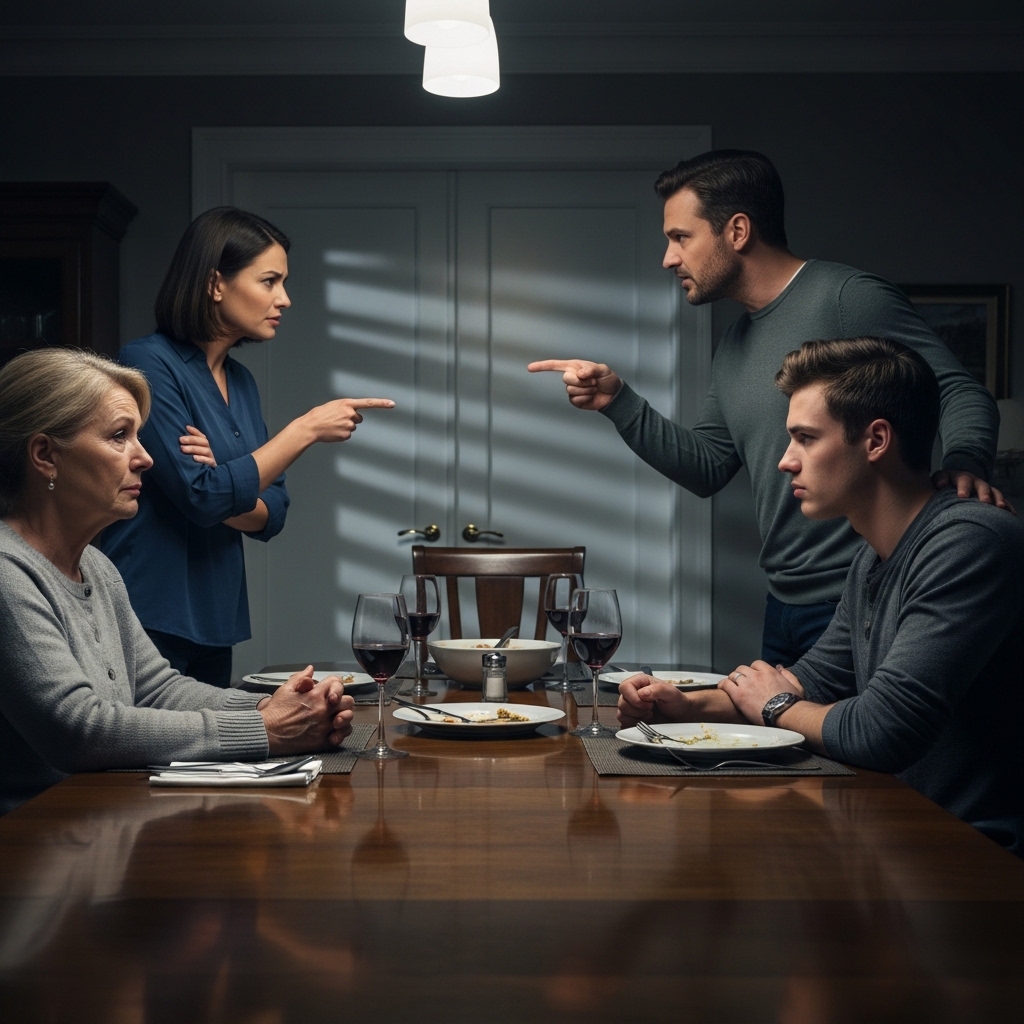
Then came the reaction I never expected. His children erupted like it was a courtroom showdown.
“So we mean nothing to you?”
“We’ve been part of your life for years—how could you cut us out?”
The honest answer: I didn’t aim to erase anyone. I left each of them a meaningful fixed sum. I just refused to split everything equally just to spare feelings. I wanted my will to be truthful, reflecting real gratitude, not forced fairness.
It cut deep when my husband, after grappling with his emotions, quietly revised his own will—directing everything he owns to his children. That stung. It also made things crystal clear. I’m not spiteful; I’m intentional.
I went back to my lawyer and added one ironclad clause: whatever my nephew receives from me is fully protected—100% shielded from any claims, challenges, or disputes by others.
Some might call it dramatic. Others, protective. I call it gratitude with boundaries. I’m honoring those who honored me through steady presence and small, reliable acts. Life has shown me, in quiet ways, who truly mattered. My will simply echoes that truth.
If this sparks a fight, anyone who litigates will be chasing something I never promised them. I’d rather pour my energy into living and cherishing memories than into court battles.
So I’ll ask you directly: if you were standing in my place—would you safeguard the people who actually showed up for you, even if it means navigating some uncomfortable talks and family tension?