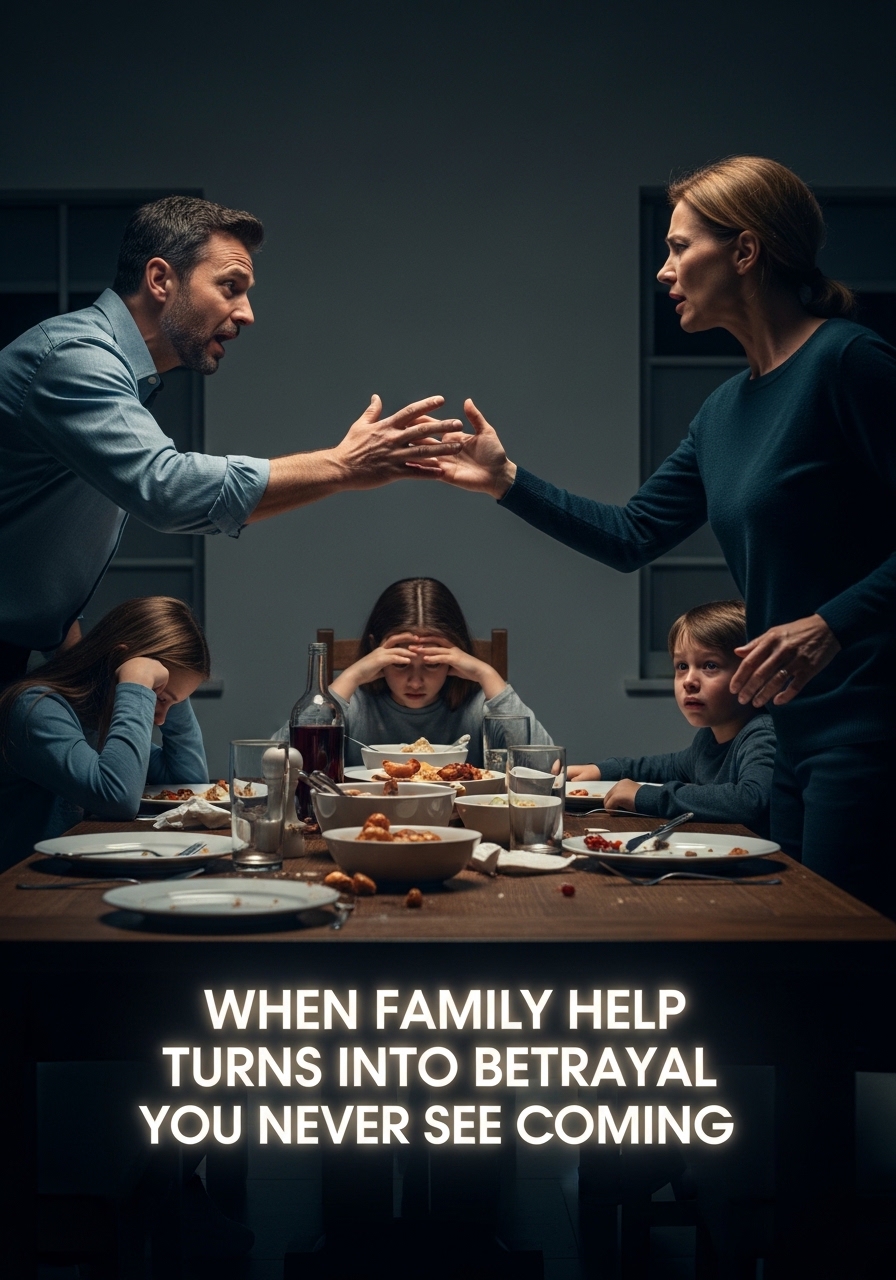
When my sister and her husband asked to borrow $25,000, they didn’t sound reckless or careless.
They sounded scared.
They told me they were drowning in debt. The house was on the line. Miss one more payment, and they’d lose it. My sister cried on the phone. Her husband talked about how ashamed he felt even asking. They promised—again and again—that it would only be temporary. One year, at most.
I hesitated. That money wasn’t spare change. It was my savings.
But she was my sister.
I told myself what people always say in moments like that: family helps family.
So I agreed.
The first year passed quietly. Whenever I asked about repayment, there was always a reasonable explanation. Medical bills. A job transition. A delayed bonus. They thanked me constantly and reassured me they hadn’t forgotten.
The second year felt different.
The updates slowed. My texts went unanswered longer. When I did hear back, the replies were shorter—more defensive. Less grateful.
By the third year, something in me finally snapped. I asked directly when I could expect to be paid back.
That’s when everything changed.
My sister’s voice went flat. Her husband took over the call. Calm. Firm. Detached.
He told me they didn’t owe me anything.
There was no contract, he said. No paperwork. Nothing legally binding.
“You chose to help us,” he added. “That doesn’t make it a loan.”
I couldn’t speak.
Three years of patience collapsed into a single moment of clarity. They had never planned to repay me—not fully, maybe not at all.
I asked my sister if she really believed that.
She said nothing.
That was the end of it. No screaming match. No dramatic confrontation. Just silence.
We stopped talking.
I mourned the money, but what hurt more was losing the relationship I thought we had—the trust I believed was mutual.
Months passed.
Then one afternoon, I ran into a mutual friend at the grocery store. We exchanged polite small talk. I was already turning to leave when she hesitated and asked gently, “Have you heard about your sister?”
I shook my head.
She told me the house they’d “saved” was gone. Foreclosed. They’d taken out more loans trying to stay afloat. Credit cards were maxed. Lawsuits were pending. They were moving in with relatives—people who were already frustrated and wary.
No one was celebrating their downfall.
Not even me.
But something settled in my chest.
They didn’t lose everything because of karma.
They lost it because of patterns—because they avoided responsibility until there was nowhere left to run.
I never got my money back.
But I learned something far more costly:
Not everyone who asks for help sees it as a promise.
Some people see it as permission.